Manuka Honey for Wound Care and Infection
Origin: Māori Traditional Medicine, Aotearoa New Zealand
Active honey from the mānuka tree (Leptospermum scoparium) applied topically for wound healing, burns, and infection control.
Background & Cultural Context
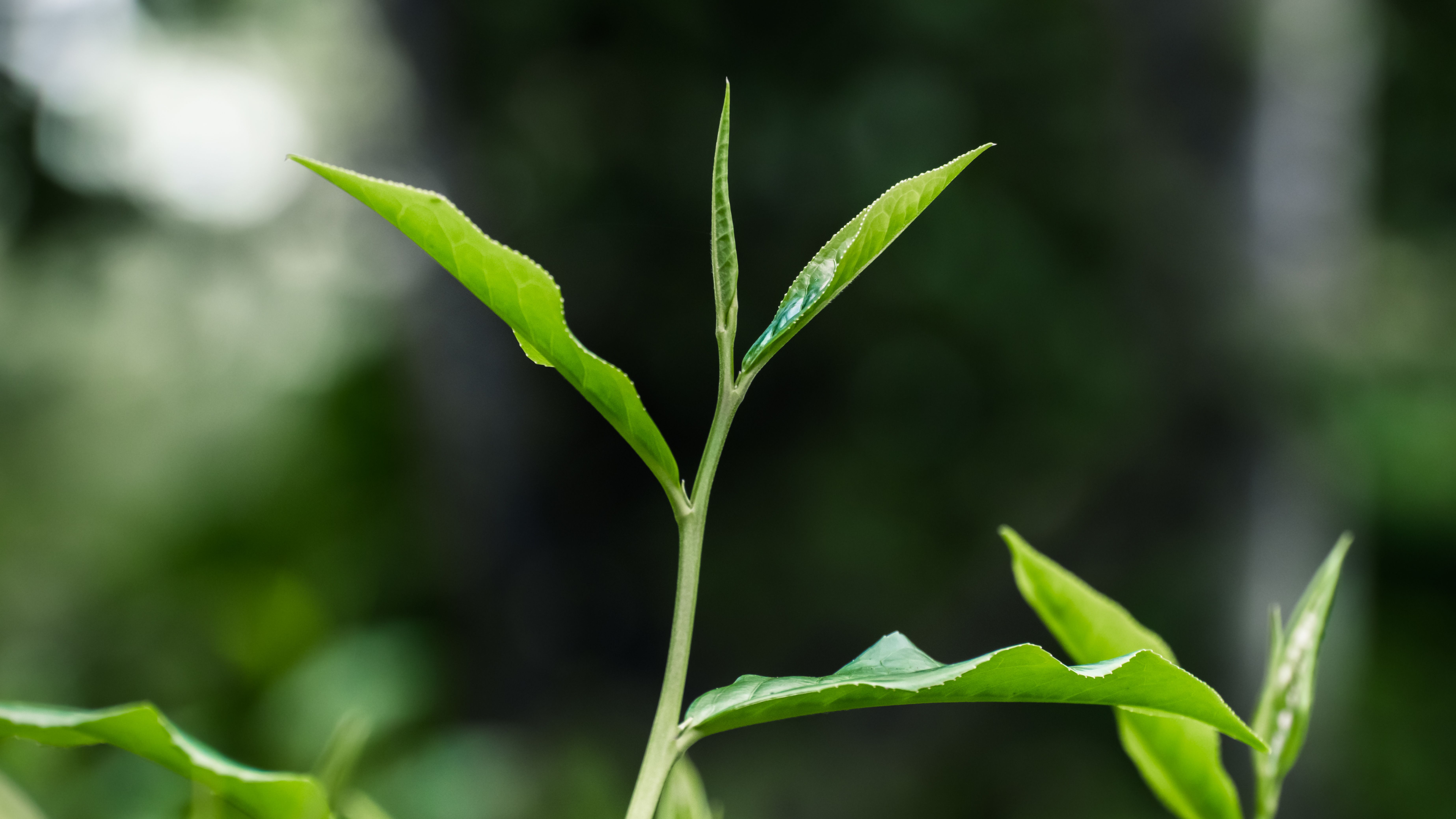
Manuka honey is produced by European honey bees foraging on the manuka shrub, Leptospermum scoparium, native to Aotearoa New Zealand and parts of southeastern Australia. The plant is long-established in Maori medicine under its Maori name; early ethnobotanical records collected in the nineteenth and early twentieth century list manuka bark for steam baths treating fever, manuka leaf tea for urinary complaints, and topical applications of the resinous gum for wound care. The honey itself was likely used by Maori communities once European bee-keeping was introduced in the early 1800s; modern testing has now identified the chemistry that explains its unusual healing properties.
Most honeys carry mild antimicrobial activity through hydrogen peroxide produced by the bee enzyme glucose oxidase. Manuka honey is unique because, in addition to the peroxide pathway, it carries high concentrations of methylglyoxal (MGO), a compound formed non-enzymatically from dihydroxyacetone in the manuka nectar. MGO is bacteriostatic against a broad range of gram-positive and gram-negative bacteria and remains active after the peroxide has been catalyzed away. This 'non-peroxide activity' is what regulators and clinicians track when they talk about medical-grade manuka honey.
Two parallel rating systems exist. The Unique Manuka Factor (UMF), run by the Unique Manuka Factor Honey Association in New Zealand, expresses non-peroxide activity on a scale calibrated against phenol; UMF 10+ corresponds roughly to ten percent phenol equivalent. The MGO scale gives the actual methylglyoxal concentration in milligrams per kilogram; MGO 263 corresponds approximately to UMF 10+. Medical-grade wound-dressing honey is typically in the UMF 15+ / MGO 514+ range. Below UMF 10+, the honey behaves like ordinary antibacterial honey and the manuka-specific advantage disappears.
The honey is regulated as a medical device in the United Kingdom, Australia, and New Zealand when sold as a wound dressing. Branded products like Medihoney are used in hospital burn units, post-surgical dressings, and chronic ulcer management. Independent clinical trials are summarized in successive Cochrane reviews of honey for wound care.
Provenance and adulteration are persistent issues in the manuka honey market. The New Zealand Ministry for Primary Industries operates a registered authentication scheme — only honey passing a five-attribute chemical test (four chemical markers plus a DNA test for manuka pollen) can carry the 'manuka' name in regulated markets. International market surveys, including a widely cited 2014 study in the New Zealand Medical Journal, found that a substantial fraction of honey sold internationally as 'manuka' did not actually meet the chemical signature. Sourcing from a registered New Zealand producer (a list is maintained by the Manuka Honey Appellation Society) is the most reliable quality assurance available to consumers.
Modern Application
For minor home wound care — a graze, a small burn, a slow-healing cut — apply a thin layer of UMF 15+ or higher manuka honey directly to the wound, cover with a sterile non-adherent dressing, and change daily. The honey reduces the wound's pH and creates an osmotic gradient that draws fluid out of infected tissue; bacterial growth is suppressed even in the presence of antibiotic-resistant organisms. For deeper or infected wounds, a hospital-grade product sold as a regulated wound dressing is the appropriate choice and the wound should be reviewed by a clinician.
Internal use is supported by some evidence for Helicobacter pylori gastritis. The traditional dose is one teaspoon of UMF 15+ or higher honey taken on an empty stomach in the morning and held in the mouth for thirty seconds before swallowing. Clinical-trial support is preliminary; eradication-quality treatment for confirmed H. pylori still involves the appropriate antibiotic regimen, with honey considered an adjunct.
Burn care is a particularly well-documented application. Several randomized trials (Subrahmanyam, 1991 and 1998, British Journal of Surgery; Jull et al. Cochrane review) compared honey dressing to conventional gauze or silver sulfadiazine for partial-thickness burns and found faster epithelialization and lower infection rates with honey. The mechanism appears to combine antimicrobial action, osmotic debridement of dead tissue, and a moist wound environment that supports re-epithelialization.
Cautions: ordinary supermarket 'honey blends' that include small percentages of manuka in a wider blend lack the MGO concentration needed for therapeutic effect. Verify the UMF or MGO rating on the label and check that the producer is registered with UMFHA or a comparable certifier. Infants under twelve months should not be given honey of any kind (Clostridium botulinum spore risk). People with diabetes should account for the sugar load if taking internally. Topical use on wounds carries no glycemic load and is safe for diabetic patients (and indeed is widely used in diabetic-foot-ulcer management).
Cost is the main practical barrier. Medical-grade UMF 15+ honey runs roughly fifty to ninety US dollars per 250-gram jar in retail markets; UMF 20+ and higher premium ratings can exceed one hundred fifty US dollars. For routine minor wound care a UMF 10+ product (around twenty-five US dollars) is generally adequate; reserve the higher grades for chronic ulcers and burns where the higher antimicrobial activity earns its place. Ordinary supermarket products labeled 'manuka' without a UMF or MGO rating should be regarded as ordinary honey — pleasant on toast but without the therapeutic activity that defines genuine medical-grade product. Storage in a cool dark cupboard keeps the honey active for at least three years; crystallized honey retains all activity and can be warmed gently in a bowl of warm water to re-liquefy.
Sources & Citations
- Molan, P.C. (1992). The antibacterial activity of honey: 1. The nature of the antibacterial activity. Bee World, 73(1), 5-28.
- Majtan, J. (2014). Honey: An immunomodulator in wound healing. Wound Repair and Regeneration, 22(2), 187-192.
- Jull, A.B. et al. (2015). Honey as a topical treatment for wounds. Cochrane Database of Systematic Reviews, Issue 3.
- Subrahmanyam, M. (1998). A prospective randomised clinical and histological study of superficial burn wound healing with honey and silver sulfadiazine. Burns, 24(2), 157-161.
- Orbell, M. (1995). The Natural World of the Maori. David Bateman.
Do you know a solution from this tradition that should be in the archive?
Contribute a solution