
Root Cellaring — Below-Ground Cold Storage Without Electricity
Origin: Northern European and North American Vernacular Practice
Storing potatoes, carrots, beets, apples, cabbages, and squash through winter in a below-ground cellar at 32–40 degrees Fahrenheit and 90 percent humidity — Mike and Nancy Bubel's documented method.
Background & Cultural Context
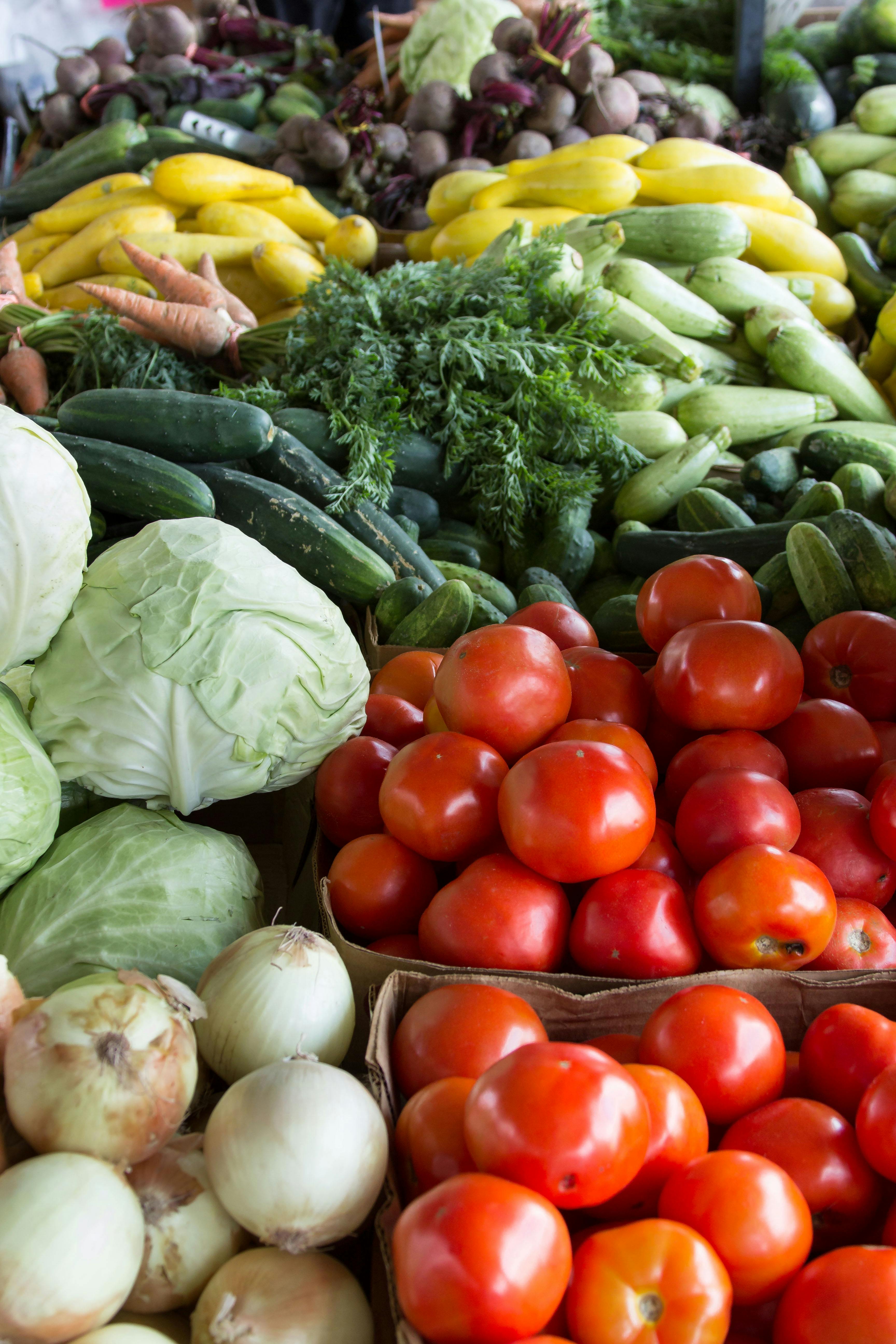
Root cellaring is the traditional below-ground (or partially below-ground) cold-storage technique that allowed temperate-climate households to preserve fresh produce — apples, root vegetables, cabbages, onions, garlic, winter squash — from autumn harvest through winter into early spring without electricity or refrigeration. The practice has continuous documented use across European, North American, and East Asian agricultural traditions for at least several centuries and was the dominant home-storage method for fresh produce in North America before electric refrigeration became universal in the mid-twentieth century.
The biology and physics are straightforward. Underground temperatures at one and a half to three meters depth remain remarkably constant — typically between two and ten degrees Celsius year-round in temperate climates, with seasonal variation of only a few degrees. Relative humidity in a well-designed root cellar stays high (85-95 percent), which is what fresh produce requires to avoid shriveling. The combination is essentially equivalent to an electric refrigerator's vegetable drawer, supplied passively by the thermal mass of the surrounding soil.
Three main root-cellar configurations are documented. (1) Full underground cellars — excavated rooms entered through stairs from the surface, lined with stone, brick, or concrete, ventilated through buried pipes that bring in cool outside air during cold weather and exhaust warm air. (2) Bermed-earth cellars — partially above-grade structures with thick earth berms over and around them, accessible at ground level. (3) Outdoor pit storage — simpler holes dug into the ground, lined with straw, filled with produce, and covered with earth and snow. Each type trades capital cost against capacity and convenience.
Storage by crop has its own protocols. Apples and pears store best at approximately one degree Celsius and ninety percent humidity; root vegetables (carrots, parsnips, beets, turnips, rutabagas, celeriac) prefer two to five degrees with very high humidity; onions, garlic, and winter squash prefer ten to fifteen degrees with moderate humidity. A multi-zone root cellar creates micro-climates for these different requirements; a simpler single-zone cellar accepts compromise conditions that suit the most-important crops.
The decline of root cellaring followed the spread of electric refrigeration and year-round produce shipping. Most newly-built houses after the 1950s stopped including root cellars; existing cellars in older homes were repurposed for laundry, workshops, or wine storage. The revival of root cellaring in the past two decades is part of the broader renewable-energy and food-resilience movements. Several recently-built houses in the American Northeast, Midwest, and Pacific Northwest have included purpose-built root cellars for the first time in generations.
Modern Application
Building a root cellar today is a manageable owner-builder project. The minimum viable cellar is a four-by-six-meter excavated room, two meters deep, with stone, brick, or concrete walls; a vapor-resistant concrete floor; a well-insulated ceiling; and two ventilation pipes (one for incoming air at floor level, one for outgoing air at ceiling level, creating natural convective flow). A trapdoor or external entrance with double doors to maintain temperature stability is the typical access. Total construction cost runs three thousand to ten thousand US dollars for owner-built projects.
Locating the cellar matters. North-facing slopes are ideal — the ground stays coldest. Well-drained sites are essential; cellars in low spots that collect groundwater will flood. The best soil for root-cellar construction is well-drained sandy or rocky soil; heavy clay holds water and creates long-term moisture problems. A structural engineer should review the design before excavation for soil-retention safety.
Simpler alternatives work for households without the budget or site for a purpose-built cellar. (1) Adapt an existing basement corner: a well-insulated north corner with controlled ventilation can produce acceptable root-cellar conditions in many older homes. (2) Buried storage barrels: a clean food-grade plastic barrel buried with its lid at ground level creates a small-volume single-crop storage. (3) Outdoor pit storage: straw-lined pits filled with produce and covered with earth and mulch work well for cabbages, root vegetables, and apples in cold-winter climates.
Honest limits: root cellaring depends on consistent cold winter temperatures to maintain the cellar's interior conditions. In USDA zones 8 and warmer, ambient winter temperatures are often too high for traditional cellars to perform well; supplemental refrigeration is needed. Climate change is already affecting root-cellar performance in parts of the eastern United States and Western Europe where mild winters are increasingly common. Storage life varies by crop and variety — apples in a well-managed cellar keep five to six months, root vegetables four to six months, onions and garlic six to nine months, winter squash three to five months. Storing produce in a well-ventilated cellar is straightforward but does require attention to inspecting for spoilage and removing affected items promptly to prevent contagious decay.
The labor pattern is autumn-intensive. Filling the cellar in October and November involves harvesting, sorting, and packing several hundred kilograms of produce in a focused two-to-four-week window. Once filled, the cellar requires only periodic inspection through the winter, with retrieval of stored items as the household needs them. The pattern aligns naturally with garden-and-orchard household harvest schedules and is what made household food sovereignty practical for temperate-climate families before year-round produce shipping made cold storage less essential.
Sources & Citations
- Bubel, M. and Bubel, N. (1991). Root Cellaring: Natural Cold Storage of Fruits & Vegetables. Storey Publishing.
- Sokolov, R. (1991). The Great American Ice Cream Book. Knopf (includes root-cellar history).
- Coleman, E. (1999). Four-Season Harvest. Chelsea Green (includes root-cellaring and unheated greenhouse storage).
Do you know a solution from this tradition that should be in the archive?
Contribute a solution