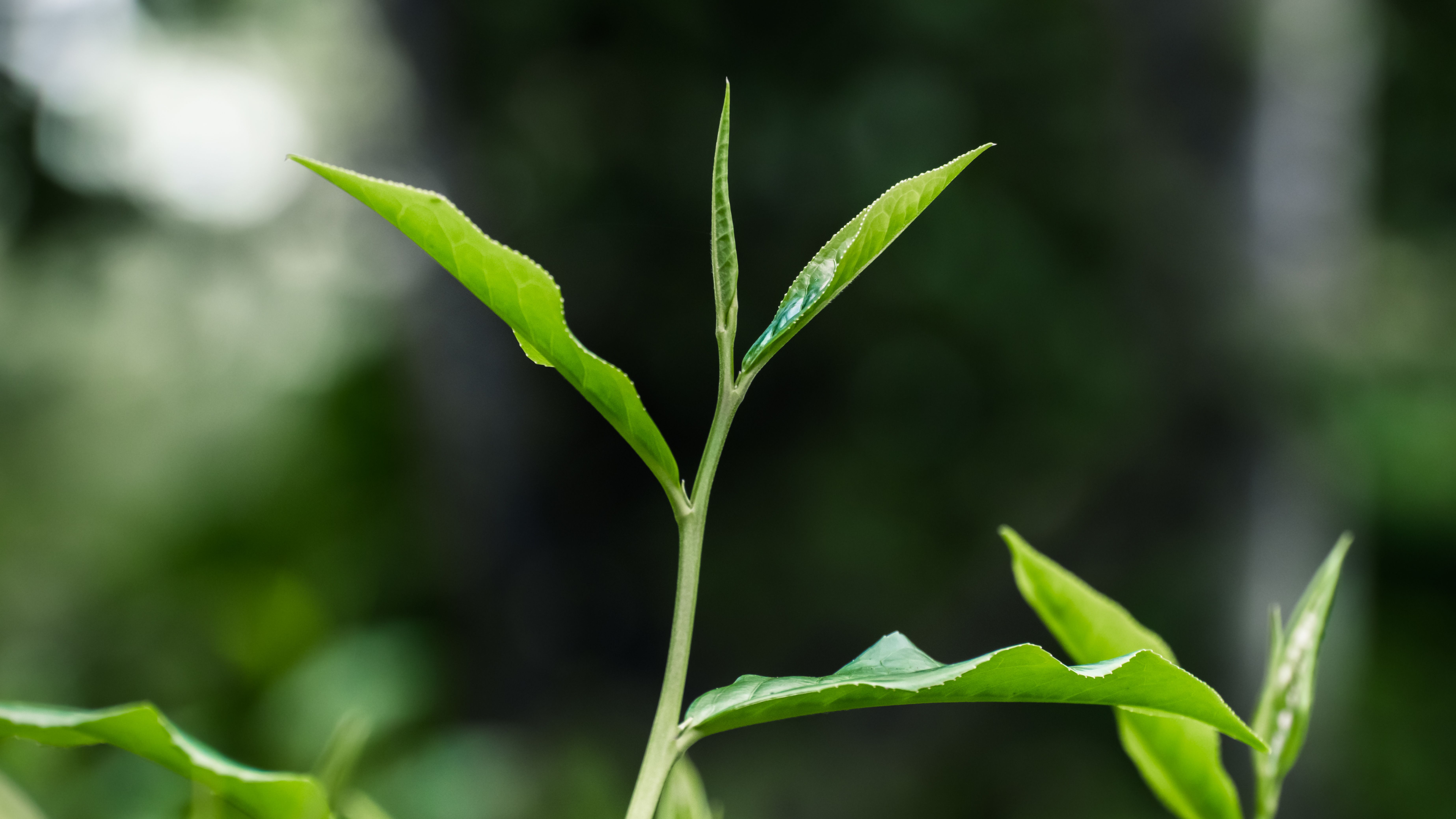
Susun Weed's Stinging Nettle Infusion
Origin: Wise Woman Tradition (Susun Weed)
One ounce by weight of dried nettle leaf steeped overnight in a quart of boiling water, drunk daily as a mineral-rich nourishing infusion.

Background & Cultural Context
Susun Weed is the American herbalist who, through her teaching at the Wise Woman Center in Woodstock, New York from 1979 onward, defined and codified the modern American distinction between a nourishing herbal infusion and a medicinal tea. Her 1985 book Wise Woman Herbal for the Childbearing Year and the broader Wise Woman Herbal series remain the most-cited texts in lay American herbalism. Her nourishing-infusion method draws on European folk herbalism — particularly the Irish, Scottish, and Scandinavian spring-tonic traditions — and on her own four decades of household practice.
A nourishing infusion is distinguished from a tea by ratio and steep time. Weed's standard method: one ounce by weight (approximately one cup by loose volume) of dried Urtica dioica (stinging nettle) leaf is placed in a quart canning jar, covered with boiling water, capped tightly, and steeped four to ten hours, often overnight. The result is dark, deeply green, and noticeably thick on the tongue compared to a normal cup of nettle tea. The long steep with high herb ratio extracts the mineral fraction — calcium, magnesium, iron, potassium, silica, and a meaningful share of the leaf's B vitamins and chlorophyll. A short steep (the standard tea-bag method) extracts only a fraction of these minerals.
Stinging nettle has a deep history as a spring tonic across northern Europe. The young plant emerges very early in the season and was the first fresh green available to households after winter. Scottish and Irish households used cooked young nettle as a pot-herb (nettle kail, nettle broth); the infusion method extracts the same minerals from dried leaf outside the brief spring foraging window. Weed's contribution was less to invent the practice than to teach the method rigorously, name the dose, and integrate it into a wider framework of women-centered self-care.
The Wise Woman tradition Weed names is itself a synthesis of European folk herbalism, indigenous North American practices she encountered through her own teachers, and her decades of clinical practice. The tradition emphasizes nourishment before pharmaceutical-style intervention — nettle infusion, oat-straw infusion, red-clover infusion, and red-raspberry leaf infusion form the daily-tonic core.
Nutritional analysis of the infusion shows why the long-steep method matters. A standard one-quart infusion of one ounce dried nettle delivers approximately three hundred to four hundred milligrams of calcium, one hundred to two hundred milligrams of magnesium, ten to fifteen milligrams of iron, and significant potassium, chlorophyll, and vitamin K. These values come from independent analyses by herbal researchers including those summarized in the American Herbal Pharmacopoeia's nettle monograph. By comparison, a short five-minute steep of the same dry weight extracts less than a quarter of the mineral content, which is why Weed insists on the long steep as the practitioner standard.
Modern Application
Procuring the herb is the first decision. Bulk dried nettle leaf is sold by reputable suppliers including Mountain Rose Herbs, Frontier Co-op, and many smaller regional growers. The leaf should be a deep, vivid green; brown or yellowing leaf has lost most of its mineral and chlorophyll content. One pound (450 grams) of dried leaf supplies approximately fifteen quart-jar infusions and stores indefinitely in a sealed jar away from light.
Daily protocol: place one ounce (28 grams, about one cup loose) of dried nettle in a clean quart canning jar. Pour boiling filtered water to fill the jar. Cap and let steep four to ten hours; overnight is convenient. Strain through fine mesh, compost the spent leaf, and refrigerate the liquid. Drink one to four cups daily over the next thirty-six to forty-eight hours, plain or with a small pinch of mineral salt and a squeeze of lemon. The taste is grassy and slightly vegetable-broth-like; some people enjoy it neat, others prefer to mix it with herbal tea.
Documented uses span hair, skin, and bone-density support; anemia in menstruating women (the iron content is well-absorbed because of the accompanying vitamin C); general spring-tonic use to replenish minerals after winter; and as a base in pregnancy and postpartum nutrition (where it has decades of practitioner experience but limited clinical-trial coverage).
Cautions: the mild diuretic effect may potentiate diuretic medications. The herb is rich in vitamin K, so anyone on warfarin should keep nettle intake consistent rather than fluctuating. Nettle is a known histamine modulator; the infusion is widely used by practitioners for seasonal allergies, but anyone with a severe pollen-spectrum allergy should introduce it gradually.
Foraging your own nettle is straightforward and rewarding for those with rural or peri-urban access. Young nettle (under thirty centimeters tall, before flowering) is the most palatable. Wear gloves; the stinging hairs become inert after cooking or thorough drying. Strip the leaves from the stems, dry on screens in shade with good airflow for one to two weeks, and store in airtight jars away from light. A small household forage of one to two hours yields enough dry leaf for a winter's supply.
Sources & Citations
- Weed, S. (1989). Healing Wise. Ash Tree Publishing.
- Weed, S. (1985). Wise Woman Herbal for the Childbearing Year. Ash Tree Publishing.
- Roschek, B. Jr., Fink, R.C., McMichael, M., and Alberte, R.S. (2009). Nettle extract (Urtica dioica) affects key receptors and enzymes associated with allergic rhinitis. Phytotherapy Research, 23(7), 920-926.
- American Herbal Pharmacopoeia. Stinging Nettle Monograph (current edition).
Do you know a solution from this tradition that should be in the archive?
Contribute a solution