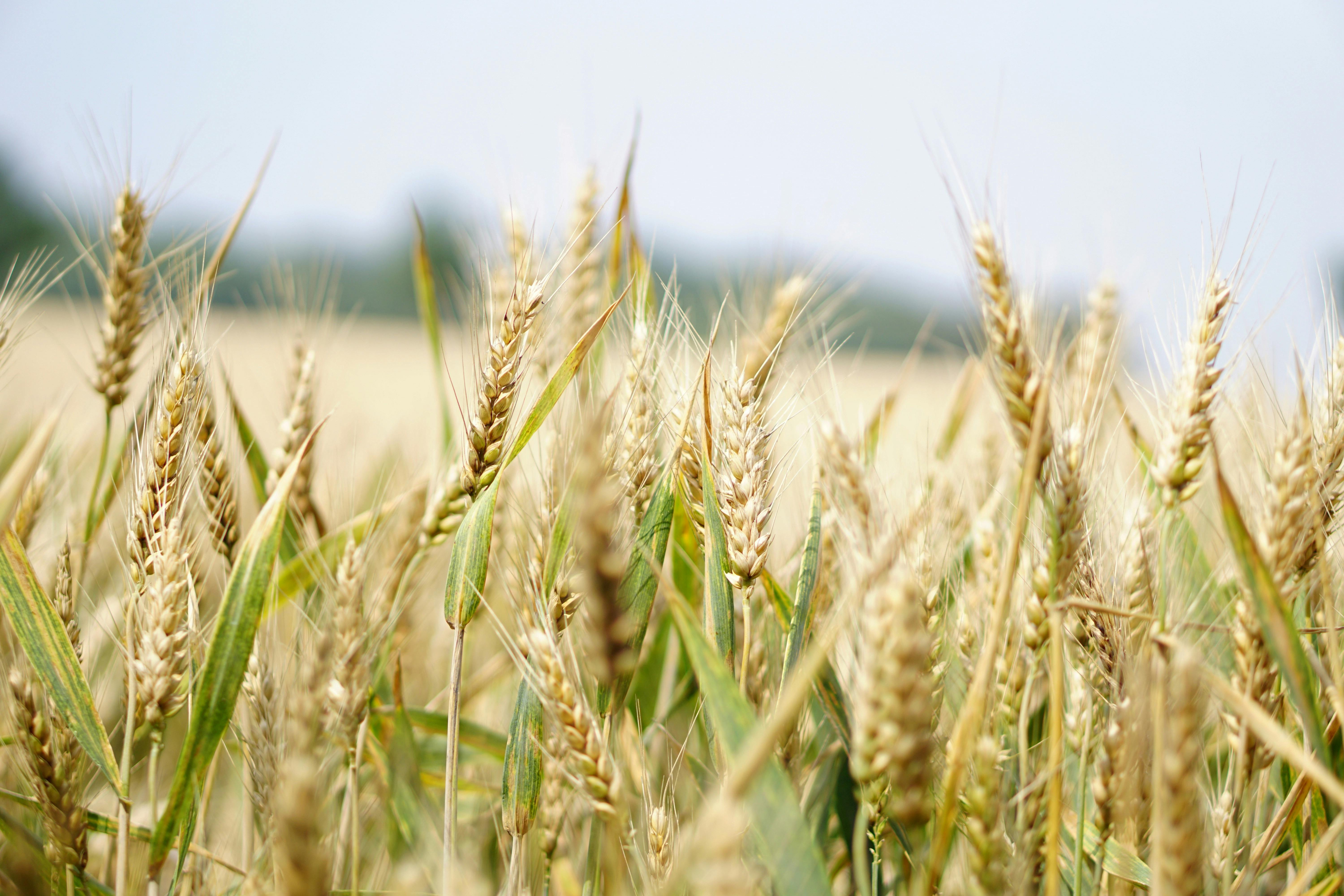
Three Sisters Companion Planting — Maize, Beans, and Squash
Origin: Haudenosaunee (Iroquois) Confederacy, Cherokee, and broader Eastern Woodlands and Mesoamerican Native American agricultural traditions
The Haudenosaunee polyculture system that grows maize, beans, and squash together — a documented 1,000-year-old agricultural technology that out-performs single-crop equivalents in caloric yield, soil retention, and nitrogen balance.
Background & Cultural Context
The Three Sisters — *de-o-ha-ko*, 'our sustainers,' in Seneca — is the polyculture system developed and maintained by the Haudenosaunee Confederacy and broader Eastern Woodlands peoples over at least a thousand years. The structural design plants maize (corn) first to establish vertical structure; beans climb the maize stalks; squash (particularly the broad-leaved varieties of *Cucurbita pepo*) covers the ground as living mulch. Each crop serves the others: the maize provides climbing structure for the bean, the bean fixes atmospheric nitrogen for the maize and squash, the squash shades soil and suppresses weed competition through its broad leaves.
The agronomic case is well-documented. Mt. Pleasant's 2006 analyses at Cornell demonstrate that Three Sisters polyculture produces 5-15% higher caloric yields per hectare than equivalent monoculture plots of any of the three crops, with substantially better soil-erosion performance and lower external-input requirements. The Haudenosaunee agricultural system supported population densities of approximately 5-10 people per square kilometer across the eastern Great Lakes region from roughly the eleventh through the seventeenth centuries — comparable to medieval European agricultural densities with much lower input intensity.
Modern Application
Household-scale Three Sisters polyculture is straightforward to implement. Plant maize first in spring after frost danger; plant pole beans 2-3 weeks later in the same hills as the maize, once the maize is 15-20 cm tall; plant squash between the maize hills 2-3 weeks after that. Use traditional varieties where possible — *Tuscarora* or *Iroquois White* maize, *Cherokee Trail of Tears* or *Hidatsa Shield* beans, *Seneca Hubbard* or *Costata Romanesco* squash. Modern hybrid varieties of any of the three crops may perform poorly in the polyculture; the traditional varieties were selected over centuries for this specific cropping context.
Spacing is important: 1-1.5 m between maize hills, 4-6 maize plants per hill, 2-3 bean vines per maize stalk, one squash plant per 4-6 maize hills. Avoid using nitrogen fertilizer; the beans are the nitrogen source, and supplemental nitrogen suppresses nitrogen fixation. Cultural-respect note: the Three Sisters is a specific indigenous-developed system. Citing it as 'Haudenosaunee' (not generic 'Native American') and acknowledging the system's continuing place in Haudenosaunee agriculture and food sovereignty work — particularly through the Iroquois White Corn Project at the Ganondagan State Historic Site — respects the cultural specificity that gave the technology its form.
Sources & Citations
- Mt. Pleasant, J. (2006). The science behind the Three Sisters mound system: an agronomic assessment of an indigenous agricultural system in the northeast. In *Histories of Maize* (J. E. Staller, R. H. Tykot & B. F. Benz, eds.), Academic Press.
- Kimmerer, R. W. (2013). *Braiding Sweetgrass.* Milkweed Editions (chapter 'The Three Sisters').
- Hart, J. P. (2008). Evolving the Three Sisters: the changing histories of maize, bean, and squash in New York and the greater Northeast. In *Current Northeast Paleoethnobotany II* (J. P. Hart, ed.), New York State Museum Bulletin 512.
Do you know a solution from this tradition that should be in the archive?
Contribute a solution