Biodynamic Preparations 500 and 501 — Steiner's Soil Amendments
Origin: Anthroposophic Agriculture (Rudolf Steiner, 1924 Koberwitz Lectures)
Two preparations developed by Rudolf Steiner in 1924 — BD 500 (cow manure fermented in a buried cow horn) and BD 501 (silica fermented in a buried cow horn) — used as foliar and soil sprays in biodynamic farming.
Background & Cultural Context
Biodynamic agriculture is the ecological-organic farming tradition founded by the Austrian philosopher Rudolf Steiner (1861-1925) in a series of lectures delivered to a group of European farmers in 1924. The lectures were Steiner's response to early signs of soil degradation and reduced fertility in European agriculture after the introduction of synthetic fertilizers in the late nineteenth century. Biodynamic farming is now practiced on approximately 200,000 hectares across more than fifty countries, with the Demeter certification mark distinguishing biodynamic production in the global organic-and-natural-foods market.
The defining technical components of biodynamic farming are the nine preparations Steiner specified, the most important being Preparation 500 (horn manure) and Preparation 501 (horn silica). Preparation 500 is made by stuffing fresh cow manure into a cow horn, burying the horn over winter at a specific soil depth, and exhuming it in spring; the preparation undergoes microbial transformation in the buried horn and emerges as a dark, earthy-smelling material that is stirred into water and sprayed onto fields in the late afternoon as a soil amendment. Preparation 501 is made from finely ground quartz crystal stuffed into a cow horn, buried over summer, exhumed in autumn, and applied as a foliar spray in the early morning to support plant growth and ripening.
The stirring process is specific. The preparation is dissolved in water in a wooden or copper barrel, then stirred by hand in a way that creates alternating vortices — clockwise until a deep funnel forms, then reversing direction to chaotic swirling, then clockwise again. The stirring continues for one hour, during which the alternating vortex-and-chaos pattern is understood by biodynamic practitioners to potentize the preparation and enliven the water. The spray application follows specific lunar and planetary timing windows that the Demeter biodynamic calendar (updated annually) publishes.
Biodynamic farming has been the subject of substantial scientific and philosophical debate. The preparations are applied at extremely low concentrations — preparation 500 is mixed at around 60 grams per hectare — which puts the active dose in the homeopathic range. Critics argue that the doses are too low to produce measurable biological effect through conventional plant-nutrition pathways. Proponents argue that the preparations operate through energetic or informational mechanisms that conventional agronomy does not capture. Controlled trials have produced mixed results — some studies show modest soil-biology and yield improvements; others find no significant difference from comparable organic management.
The pragmatic case for biodynamic farming as a whole system is stronger than the case for any individual preparation. Biodynamic farms typically operate as closed-loop ecosystems with on-farm compost production, integrated livestock, cover cropping, perennial polyculture, and minimal external inputs — a constellation of practices that produce healthy soil and robust biological communities even setting aside the specific preparation effects. The Demeter certification requires the full system, not just the preparations, and the system has documented positive ecological outcomes.
Modern Application
Applying biodynamic preparations on a working farm or garden starts with sourcing or making the preparations themselves. Several biodynamic preparation groups (the Josephine Porter Institute in the US, the biodynamic associations in Germany, France, and Australia, and similar groups elsewhere) produce and ship the preparations to practitioners. Alternatively, biodynamic farmer training programs teach the making of the preparations from scratch — cow horns from regional slaughterhouses, fresh manure from healthy cows, specific burial sites, and the annual exhumation and storage protocols.
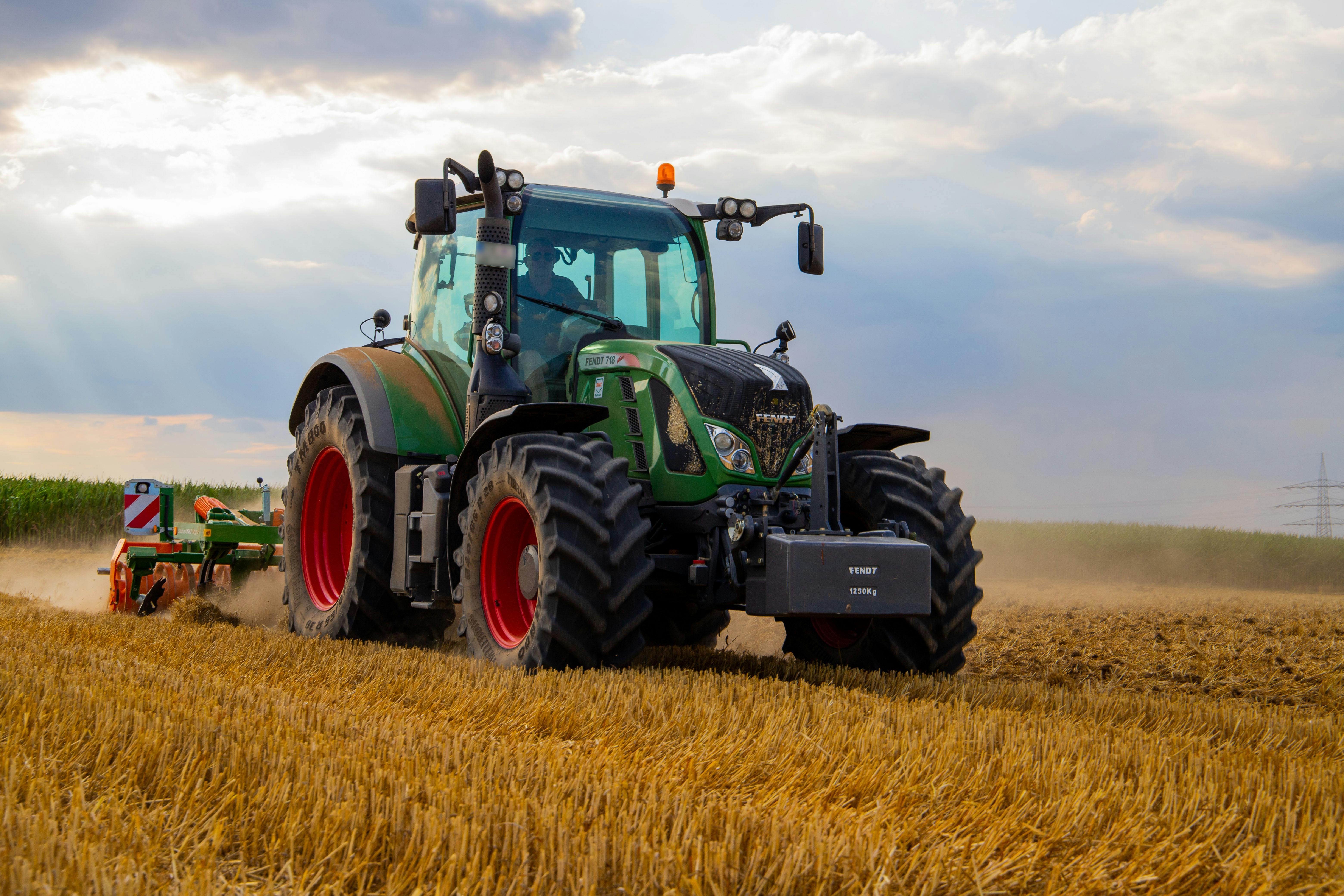
The stirring and spraying practice is the routine application activity. A wooden or copper barrel of warm rainwater (chlorinated municipal water is generally avoided), a wooden stirring implement, and dedication of an hour for the stirring session. Spray equipment can be as simple as a back-pack sprayer or as substantial as tractor-mounted boom sprayers for larger acreages. Timing follows the biodynamic calendar's planetary indications, though many practitioners settle for less astrologically-rigorous applications when calendar windows do not match weather conditions.
The broader biodynamic practice is what produces the documented soil and ecosystem improvements. Cover cropping, compost making with the additional biodynamic preparations (502 through 507) inoculated, integrated livestock (cows, sheep, or chickens grazing on cover crops and contributing manure to the compost cycle), perennial border plantings, and minimal external input. The full system is what certifies for the Demeter label.
Honest limits: biodynamic farming as a complete system produces measurable ecological and food-quality benefits but is more labor-intensive than conventional farming. Yield per acre is typically comparable to organic farming and below conventional farming, but the per-acre input cost is dramatically lower and the produce commands a premium in specialty markets (particularly for biodynamic wine and grain). The specific claims about the preparations' mechanisms are contested in the scientific literature; practitioners are comfortable with this and argue that the system's documented outputs justify the practice regardless of the mechanistic explanation. Anyone considering biodynamic certification should engage with a regional Demeter certifying organization early in the planning process.
Sources & Citations
- Steiner, R. (1924, English translation 1958). Agriculture: A Course of Eight Lectures. Rudolf Steiner Press.
- Koepf, H.H., Pettersson, B.D., and Schaumann, W. (1976). Biodynamic Agriculture: An Introduction. Anthroposophic Press.
- Carpenter-Boggs, L., Reganold, J.P., and Kennedy, A.C. (2000). Biodynamic preparations: short-term effects on crops, soils, and weed populations. American Journal of Alternative Agriculture, 15(3), 110-118.
- Demeter International. Biodynamic Production Standards (current edition).
Do you know a solution from this tradition that should be in the archive?
Contribute a solution